
Theodore Fahrner The Journey of a Renowned German Art Deco Jewelry Artist

Theodore Fahrner stands as a significant figure in the world of Art Deco jewelry, celebrated for his innovative designs and masterful craftsmanship. His work captures the spirit of the early 20th century while showcasing a unique blend of elegance and modernity. This post explores Fahrner’s beginnings, the rise of his fame, and the reasons his pieces remain highly sought after by collectors today.
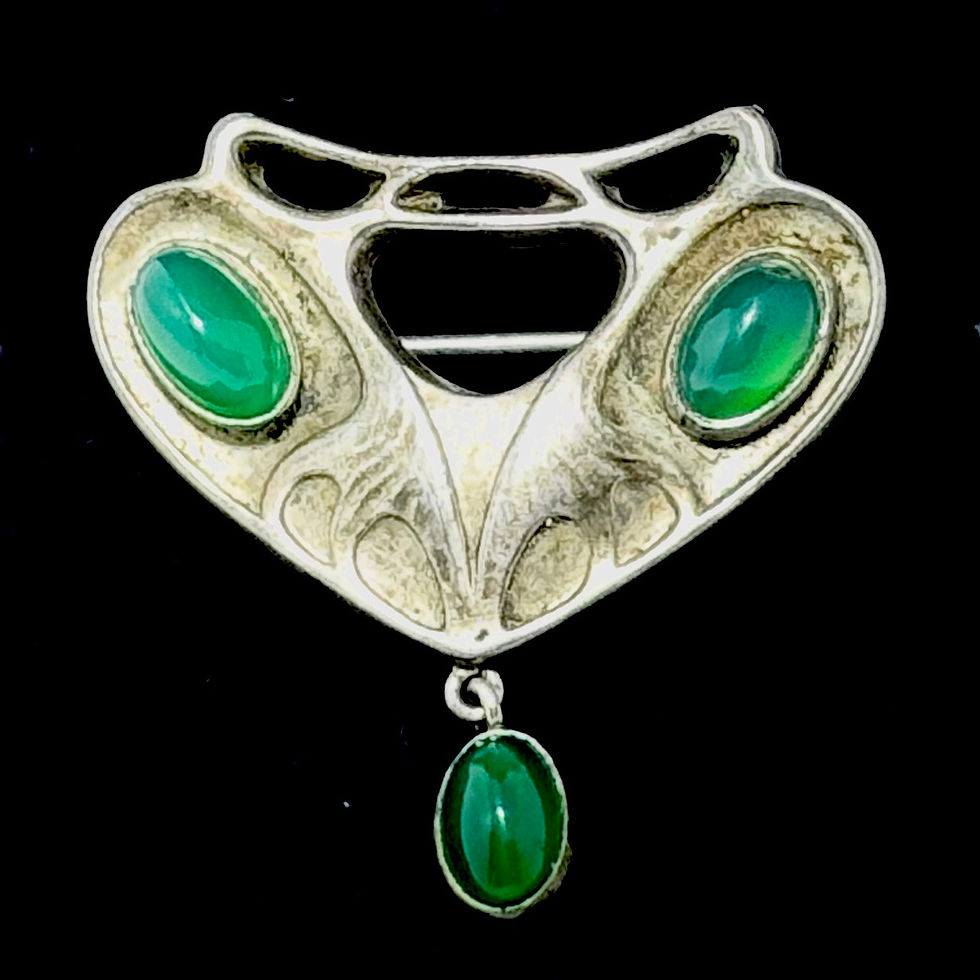
Early Life and How Theodore Fahrner Got Started
Theodore Fahrner was born in Pforzheim, Germany, a city known as the "Golden City" for its long-standing tradition in jewelry and watchmaking. This environment played a crucial role in shaping his future career. Fahrner initially trained as a silversmith, gaining hands-on experience in metalwork and design.
In the early 1900s, Fahrner began producing jewelry that reflected the changing tastes of the time. His early pieces were influenced by Jugendstil, the German version of Art Nouveau, which emphasized natural forms and flowing lines. However, Fahrner’s true breakthrough came as he embraced the emerging Art Deco style, which favored geometric shapes, symmetry, and a more streamlined aesthetic.
When Theodore Fahrner Began to Become Famous
Fahrner’s rise to fame started in the 1920s, a decade marked by rapid social and cultural changes. The Art Deco movement was gaining momentum across Europe and America, and Fahrner’s designs fit perfectly with this new style. His jewelry combined traditional silversmith techniques with modern, bold designs that appealed to a growing audience.
By the mid-1920s, Fahrner had established a workshop that produced a wide range of jewelry, including brooches, necklaces, bracelets, and earrings. His pieces were often made from silver, sometimes accented with enamel or semi-precious stones. The affordability and quality of his work made it accessible to a broad market, increasing his popularity.
Fahrner’s reputation grew further when his jewelry was featured in exhibitions and catalogs, showcasing the best of German Art Deco design. Collectors and fashion enthusiasts began to recognize his signature style, which balanced artistic creativity with practical wearability.
Why Theodore Fahrner’s Pieces Are Coveted by Collectors
Collectors prize Theodore Fahrner’s jewelry for several reasons:
Distinctive Design
Fahrner’s work stands out for its clear geometric shapes and clean lines, which capture the essence of Art Deco. His ability to blend simplicity with elegance makes each piece timeless.
Quality Craftsmanship
Every piece was carefully handcrafted in Pforzheim, reflecting Fahrner’s commitment to quality. The use of silver and enamel, combined with precise detailing, ensures durability and beauty.
Historical Significance
Fahrner’s jewelry represents a key period in design history. Owning a piece means holding a part of the Art Deco movement, which influenced fashion, architecture, and art worldwide.
Accessibility and Rarity
While Fahrner produced many pieces, the passage of time and the fragile nature of jewelry mean that well-preserved items are rare. This scarcity adds to their value among collectors.
Versatility
Fahrner’s designs suit both vintage enthusiasts and modern fashion lovers. His jewelry can complement a variety of styles, making it a versatile addition to any collection.
Examples of Theodore Fahrner’s Iconic Designs
The Legacy of Theodore Fahrner Today
Theodore Fahrner’s influence continues in the world of vintage and Art Deco jewelry collecting. Museums and private collections showcase his work as examples of early 20th-century design excellence. Enthusiasts appreciate how his jewelry reflects both artistic trends and the social changes of his time.
Modern designers sometimes draw inspiration from Fahrner’s clean lines and geometric forms, proving that his style remains relevant. For collectors, owning Fahrner jewelry is not just about beauty but also about preserving a piece of design history.


Comments